
Tip & Trick
Mastering these 10 underused keyboard symbols starting with 'A' can transform your workflow. From formatting text to executing advanced commands, these hidden gems save time and boost efficiency across all major operating systems and productivity tools.
Alt Text for Accessibility in Documents

If you’ve ever wondered how screen readers describe images—or why search engines love detailed descriptions—you’re already thinking about alt text. This hidden powerhouse isn’t just a symbol; it’s the bridge between visual content and accessibility, ensuring your documents meet WCAG 2.1 AA compliance while boosting SEO.
Alt text (short for "alternative text") is the descriptive text you add to images using the <img> tag’s alt attribute in HTML. For example, <img src="dog.jpg" alt="Golden Retriever puppy playing fetch in park"> tells screen readers what’s in the image and helps search engines index it properly. It’s not just about compliance—Google’s algorithms reward descriptive alt text by ranking pages higher for relevant searches. Plus, it’s a lifeline for visually impaired users navigating the web.
Web developers and content creators should prioritize alt text for every image, especially in blogs, e-commerce sites, and educational content. Start by describing the image’s purpose, not just its content—think of it as a mini story that conveys meaning instantly. ✨
At Symbol (@) for Email Addresses

The @ symbol isn’t just for email—it’s the invisible glue holding digital identities together. Whether you’re crafting a username or routing messages, this symbol bridges the gap between who you are and where you’re connected.
Beyond emails, it’s the social media handle standard (like @username), a programming decorator in Python (e.g., @classmethod), and even a placeholder in email routing (e.g., user@domain.com). Typing it takes seconds (Shift+2 on most keyboards), but its impact spans industries—from tech to marketing.
Developers and marketers rely on it daily, but even casual users benefit from understanding its role in authentication systems and domain validation. Mastering this symbol ensures your digital presence stays seamless. ⚡
Angle Brackets (〈〉) for Coding and Markup

If you’ve ever stared at a line of code wondering how those mysterious < > symbols work, you’re not alone. Angle brackets are the backbone of markup languages and programming syntax, from HTML tags to LaTeX equations, and mastering them unlocks cleaner, more efficient code.
In HTML/XML, they define tags like `
`, while in LaTeX, they format mathematical expressions like <x^2>. Many languages (C++, Java) use them for templates and delimiters, and they even appear in JSON Schema for defining data structures. Typing them correctly saves hours debugging syntax errors.
Perfect for developers, technical writers, or anyone diving into structured data formats. Whether you’re building a website or writing a research paper, these symbols are your secret weapon for precision. ✨
Ampersand (&) for Logical Operations
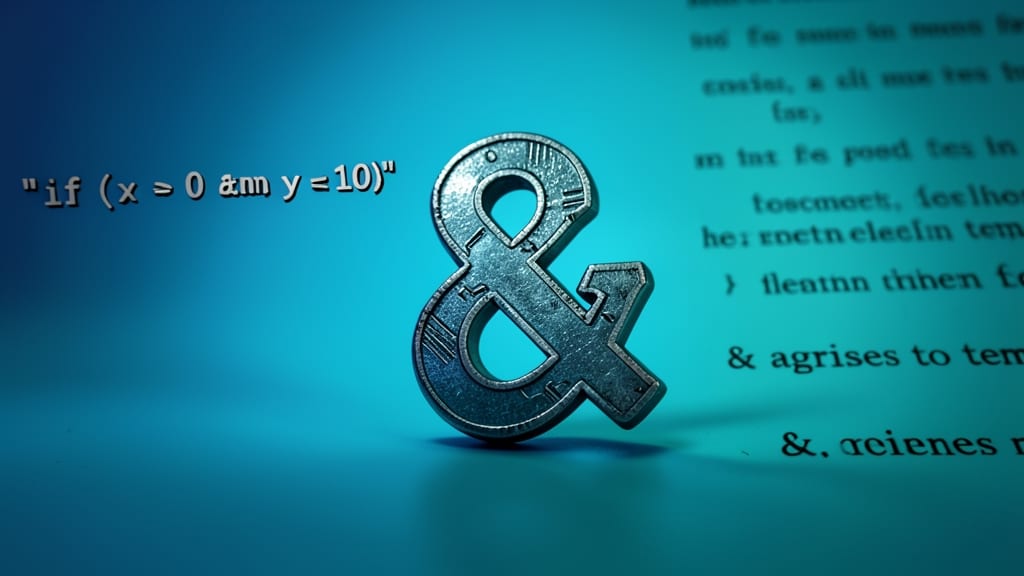
Ever wondered how that little & symbol does more than just connect words? Beyond emails, it’s the secret sauce for logical operations in programming, HTML entities, and even legal shorthand—making it a powerhouse for efficiency.
In code, & represents the logical AND operator (e.g., if (x > 0 & y > 0)), while in HTML, it’s shorthand for HTML entities like & (for the ampersand itself). Legal docs use it to abbreviate terms like "& Co." or "& Sons", saving space and time.
Developers, writers, and legal pros will love this dual-purpose symbol—it’s the Swiss Army knife of punctuation. ⚡
Accent Grave (`) for Special Characters
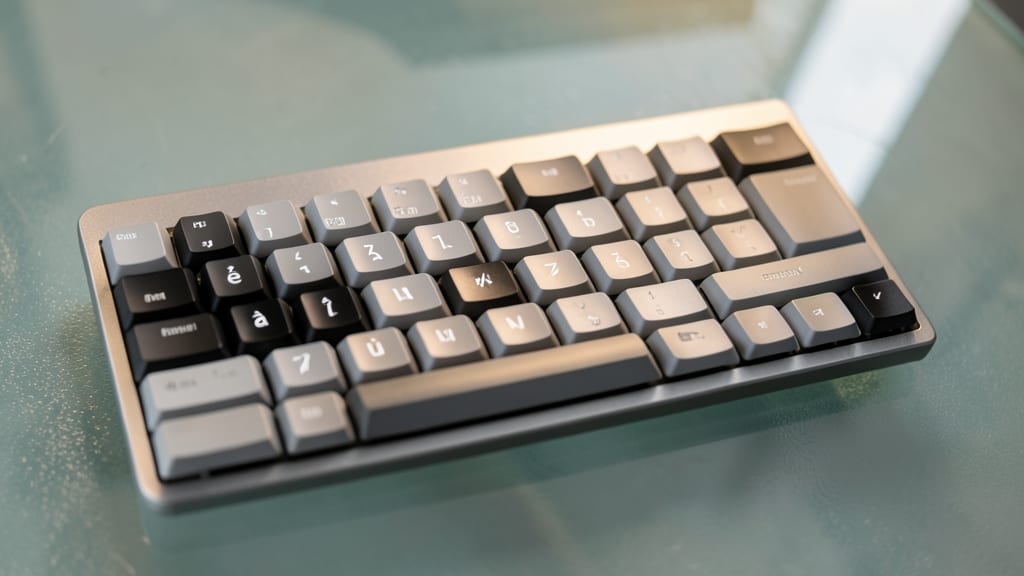
Need to type é, à, or ù effortlessly? The accent grave (`) isn’t just a French typography staple—it’s a powerhouse for programmers and writers alike. This unassuming backtick (yes, it’s the same key as the single quote on U.S. keyboards) unlocks accented characters with minimal effort, whether you’re drafting a résumé or debugging code.
In Bash scripting, it escapes special characters (e.g., `` echo "Hello ``), while in Markdown, it creates inline code blocks (`` world"code ``). On French keyboards, it’s the gateway to é, è, ç, and à—no alt codes required. The same key also triggers escape sequences in JSON and delimits strings in languages like Python.
Perfect for multilingual professionals, developers, and content creators working across platforms. Master this one key, and you’ll save time typing everything from café to command-line arguments. ✨
Arrow Symbols (→ ← ↑ ↓) for Diagrams
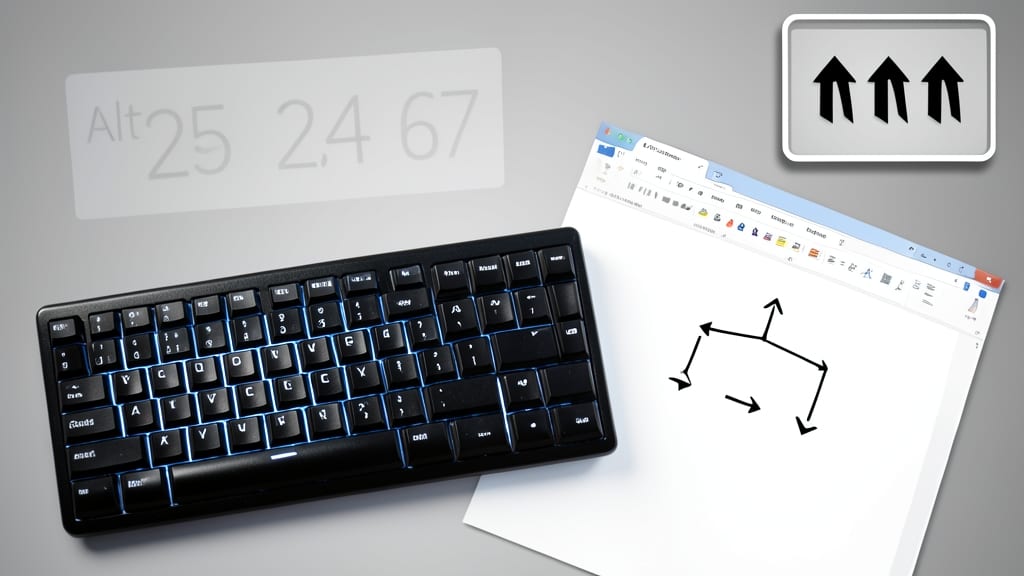
Need to create clear, professional diagrams without fumbling through symbol libraries? The arrow symbols (→ ← ↑ ↓) are your secret weapon for flowcharts, presentations, and technical docs—no design skills required.
In Microsoft Office, press Alt + 25 (→), Alt + 24 (←), Alt + 26 (↑), or Alt + 27 (↓) for instant insertion. In design tools like Adobe Illustrator, use the Unicode picker (search "arrow") or shortcuts like Ctrl + Shift + U (Windows) to input codes like U+2192 for →. For web development, these symbols work seamlessly in HTML via → (→) or ← (←) entities.
Perfect for project managers mapping workflows, educators creating lesson plans, or developers documenting system flows—these arrows add clarity with zero effort. ⚡
Asterisk (*) for Multiplication and Highlighting

Tired of scrolling through files or struggling with complex math notation? The asterisk () is your secret weapon for both—it’s the ultimate multitasker in tech and writing.
In programming, it’s the wildcard king—use .txt to select all text files or [A-Z] in regex to match uppercase letters. Math nerds recognize it as multiplication (e.g., 53), while writers rely on it for footnotes and highlighting text in Markdown. Even file naming gets a boost with patterns like backup2024*.zip.
Developers and data analysts will love its regex power, while students and writers benefit from its clean formatting. Master this one symbol, and you’ll streamline everything from coding to documentation. ✨
Section Symbol (§) for Legal Documents
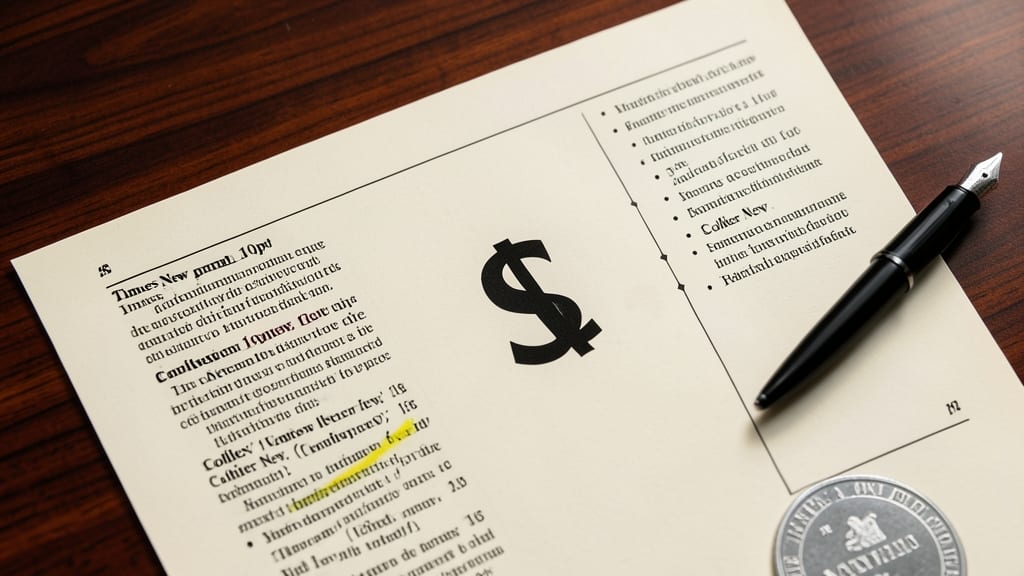
When drafting contracts, legislation, or technical manuals, the section symbol (§) becomes your secret weapon for clarity. Unlike numbered sections, it provides a formal, hierarchical way to organize content without disrupting flow—ideal for documents where precision matters most.
In legal documents, § marks clauses like §1.2 Termination or §3.5 Confidentiality, ensuring easy cross-referencing. Publishers use it for structured content like §2.3 Typography Rules, while technical writers rely on it for API documentation or compliance guidelines. On Windows, type it via Alt+0167; on Mac, use Option+6.
Perfect for professionals who need unambiguous section identifiers—lawyers, editors, and engineers will appreciate how it elevates document professionalism. ✨
Apostrophe (’) for Contractions and Possessives
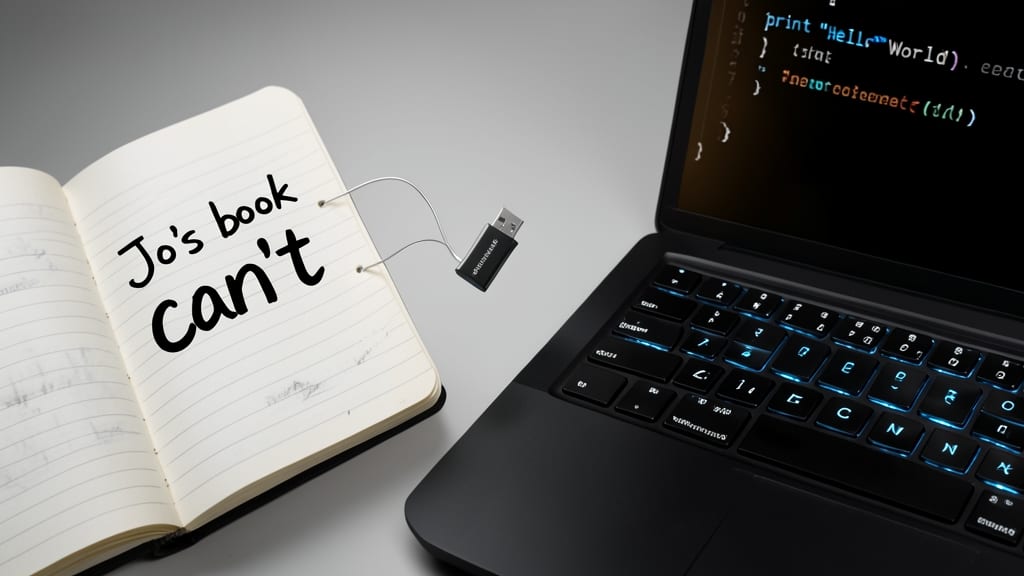
The apostrophe (’) isn’t just for grammar—it’s a dual-purpose powerhouse in both writing and programming. Whether you're crafting a professional email or debugging code, this tiny symbol packs a punch with its contractions, possessives, and string delimiters.
In English, it handles possessives ("John’s laptop") and contractions ("don’t" = "do not"). Meanwhile, in programming, it’s the single quote in languages like Python ('hello') or SQL (SELECT * FROM users WHERE name = 'Alice'). Misuse here can break code or confuse readers—so precision matters.
Perfect for writers, developers, and data analysts, this symbol bridges the gap between clear communication and clean coding. Master it, and you’ll elevate both your prose and your scripts. ✨
Alpha Symbol (α) for Scientific Notation
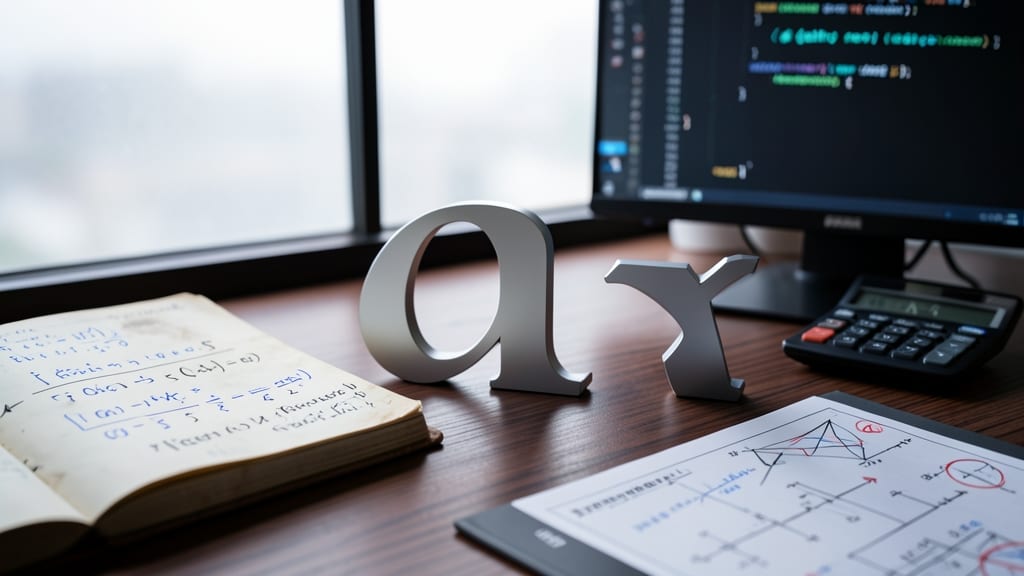
Stuck typing α (alpha) in your physics paper or engineering report? This Greek alphabet staple isn’t just for textbooks—it’s the backbone of scientific notation, variables in calculus, and specialized symbols in LaTeX documents. Without it, equations for angular velocity (ω), electrical conductivity (σ), or even Einstein’s famous E=mc² (where α appears in fine-structure constant variations) would lose clarity.
On Windows, press Alt + 945 for α (Unicode U+03B1), or use Alt + 224 followed by a for a quick shortcut. Mac users can type Option + a, while LaTeX users rely on \alpha for seamless integration. These methods work across Word, PowerPoint, and even coding environments like Jupyter Notebooks, where Greek symbols denote complex variables without ambiguity.
Perfect for students, researchers, and engineers drafting technical documents, this symbol bridges the gap between handwritten notes and polished digital submissions. Master it to elevate your precision in STEM fields. ✨