
Software
Navigating Microsoft SQL Server Management Studio (SSMS) versions can be confusing with frequent updates. This guide compares 10 key SSMS versions, highlighting their unique features, compatibility quirks, and which edition they support best—helping you choose the right tool for your SQL Server environment.
SQL Server Management Studio 18.12 for SQL Server 2019
If you're managing SQL Server 2019 in hybrid cloud environments, SSMS 18.12 is the gold standard. This version delivers full backward and forward compatibility while unlocking advanced features like PolyBase query acceleration and seamless Azure SQL database integration.
The enhanced IntelliSense engine now supports Azure SQL databases, reducing syntax errors by up to 30% during development. You'll also find improved query performance for large datasets and better support for machine learning integration through T-SQL extensions. The interface remains familiar while adding modern tooltips and diagnostic tools.
Perfect for DevOps teams and database administrators working across on-premises and cloud environments, SSMS 18.12 bridges legacy systems with modern cloud workflows without requiring separate tools. ⚡
SQL Server Management Studio 18.9 for SQL Server 2017
If you're upgrading from SQL Server 2014 or earlier but aren't ready for the full leap to 2019, SSMS 18.9 for SQL Server 2017 is your bridge to modern database features without breaking compatibility. This version uniquely supports Graph Tables—a game-changer for hierarchical data like organizational charts or network topologies—while also enabling Adaptive Query Processing to automatically optimize performance.
The dark theme and improved query editor make long sessions more comfortable, and it maintains full backward compatibility with older versions. For enterprises migrating step-by-step, this version ensures you can leverage 2017’s advanced features (like JSON improvements) while keeping legacy workflows intact. No need to rewrite scripts or retrain teams—just upgrade smoothly. 💡
SQL Server Management Studio 18.5 for SQL Server 2016
If your enterprise relies on JSON data or temporal tables, SQL Server Management Studio 18.5 is the version you’ve been missing. Released to fully support SQL Server 2016’s advanced features, this iteration introduced native JSON querying tools and streamlined temporal table management—critical for audit trails and historical data analysis in reporting systems.
The JSON support lets you parse, validate, and query JSON documents directly in T-SQL, while temporal table enhancements provide granular control over data versioning. It also includes query store improvements for performance tuning, making it a powerhouse for developers maintaining complex data pipelines. Unlike newer versions, this one focuses on stability rather than cutting-edge features, ensuring smooth operations for legacy systems.
Perfect for data analysts and reporting specialists working with SQL Server 2016, this version bridges the gap between older workflows and modern data needs. ⚡
SQL Server Management Studio 18.0 for SQL Server 2014

If your organization still relies on SQL Server 2014—and its In-Memory OLTP capabilities—then SSMS 18.0 is your last stable lifeline. Unlike newer versions packed with flashy features, this release prioritizes backward compatibility and performance tuning for legacy workloads, making it the safest choice for mission-critical systems.
The key differentiator here is full support for In-Memory OLTP, a game-changer for high-throughput applications in 2014. You’ll also get enhanced query execution plans and diagnostic tools tailored for this version, ensuring you can optimize memory-optimized tables without compatibility headaches. While it lacks the bells and whistles of later SSMS releases, its stability-focused design keeps legacy databases running smoothly. ⚡
This version is ideal for enterprise environments stuck on SQL Server 2014 due to compliance or integration constraints, as well as ISVs maintaining older applications. For everyone else, it’s a reminder that sometimes the most reliable tool isn’t the newest one. 💻
SQL Server Management Studio 17.9 for SQL Server 2012
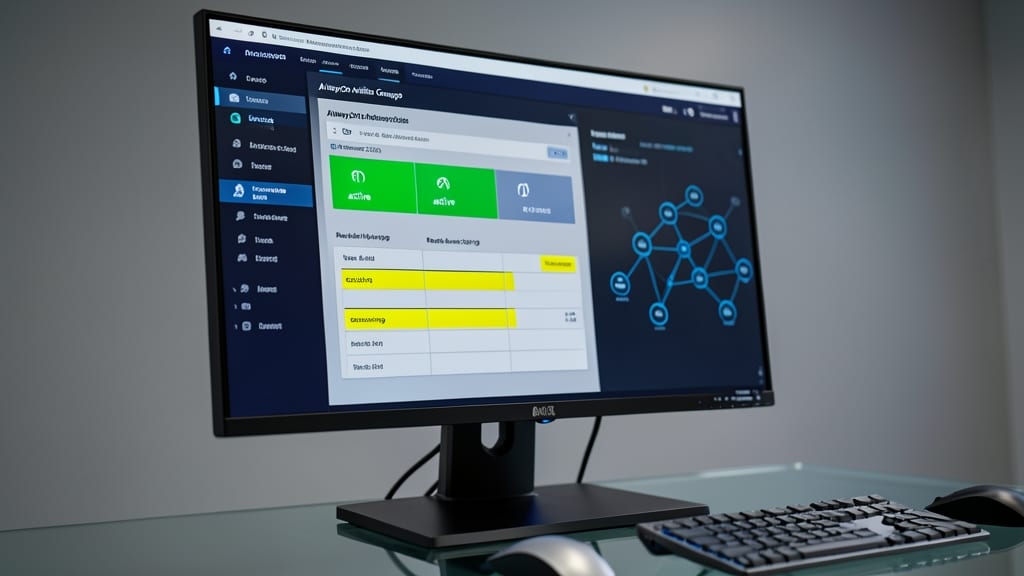
If your business relies on SQL Server 2012 but needs rock-solid high availability, SSMS 17.9 is your best friend. This version was explicitly tuned for AlwaysOn Availability Groups, a game-changer for failover clustering and disaster recovery in 2012 environments.
You get dedicated AlwaysOn dashboards for real-time monitoring of replicas, synchronous commit tracking, and failover status—all with zero config for basic setups. The SQL Server 2012 compatibility extends to backup/restore operations, making it ideal for teams maintaining legacy systems without upgrading. Microsoft’s support for this version ensures stability for environments where AlwaysOn is critical.
Perfect for enterprise IT admins managing critical databases or devops teams supporting hybrid SQL 2012 deployments. ✨
SQL Server Management Studio 17.8 for SQL Server 2008 R2

If your organization still relies on SQL Server 2008 R2—and faces budget or operational constraints preventing upgrades—SSMS 17.8 is your lifeline. This final official version explicitly supports SQL Server 2008 R2’s native compression, a feature critical for reducing storage costs and improving query performance in legacy databases.
The 17.8 release includes refined tools for managing compressed indexes and partitions, along with stability fixes for the Windows 7/Server 2008 R2 ecosystem. Unlike newer SSMS versions, it avoids deprecated dependencies, ensuring seamless integration with older workflows—no forced upgrades required. For teams maintaining high-volume transactional systems, this version’s reliability is unmatched.
Perfect for small businesses, government agencies, or legacy enterprise systems stuck on SQL Server 2008 R2, SSMS 17.8 delivers the last official compatibility layer before Microsoft’s end-of-support policies. 💻
SQL Server Management Studio 17.4 for SQL Server 2008
If your organization still relies on SQL Server 2008 for mission-critical workflows—especially those leveraging Service Broker or CLR integration—SSMS 17.4 is your best bet. Unlike later versions, this edition was explicitly designed to preserve full backward compatibility while introducing subtle UI refinements that smooth out legacy workflows.
Key highlights include enhanced debugging support for CLR stored procedures, a more intuitive Service Broker message queue interface, and improved script generation for older T-SQL syntax. It also maintains compatibility with Windows Server 2008 R2, making it ideal for environments stuck in legacy hardware cycles. The tabbed query window and simplified connection dialog are minor but meaningful upgrades for teams accustomed to outdated tools.
This version is a lifeline for financial systems, legacy ERP databases, or custom applications still running on SQL Server 2008. If you’re maintaining a 2008-based system with CLR dependencies, SSMS 17.4 ensures you won’t outgrow your management tool. 💻
SQL Server Management Studio 16.5 for SQL Server 2014 Express
If you're running SQL Server 2014 Express but need lightweight, resource-friendly management tools, SSMS 16.5 is your best bet. Unlike heavier versions, this iteration focuses on simplicity and efficiency, making it perfect for developers and small businesses with limited IT budgets.
Key features include simplified deployment tools tailored for Express Edition, reduced memory footprint, and optimized performance for smaller databases. The 16.5 version also introduces minor UI refinements while maintaining full compatibility with SQL Server 2014 Express, ensuring smooth database administration without unnecessary bloat.
This version shines for solo developers, startups, or educational environments where cost and simplicity matter most. ⚡
SQL Server Management Studio 16.0 for SQL Server 2012 Express
If you're teaching SQL basics or managing a SQL Server 2012 Express environment, SSMS 16.0 is the lightweight powerhouse you need. Unlike its heavier counterparts, this version strips down to the essentials—basic database management, query execution, and schema design—without overwhelming users with advanced features.
Released as the first standalone SSMS version, it supports SQL Server 2012 Express with a clean, Windows 8-style interface that’s easy to navigate. The Object Explorer and query editor remain intuitive, while lightweight tools like database diagramming and script generation make it perfect for learning. It’s also free to download, eliminating barriers for educators or hobbyists.
This version shines brightest for students, educators, and small teams working with SQL Server 2012 Express. Its simplicity ensures a smooth learning curve without sacrificing core functionality. 💡
Azure Data Studio Integration with SQL Server 2017+
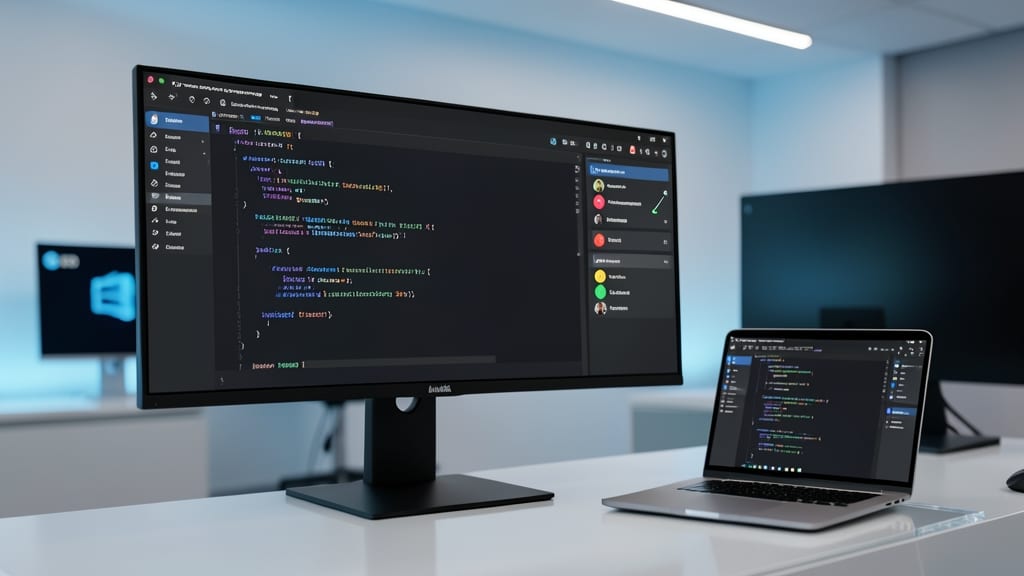
If you're tired of SSMS's Windows-only limitations, Azure Data Studio is your game-changer for SQL Server 2017+. This lightweight, cross-platform tool brings Jupyter-style notebooks, real-time collaboration, and extension support—all while maintaining full compatibility with your on-premises or cloud databases.
Key features include built-in source control integration, customizable dashboards, and SQL Server Agent management—all accessible via a modern UI that runs on Windows, macOS, and Linux. The extensions marketplace adds tools like PowerShell scripting and data visualization, while notebooks let you mix SQL queries with Markdown and Python/R code for data analysis.
Perfect for DevOps teams managing hybrid cloud environments or developers needing a cloud-native experience without sacrificing SQL Server 2017+ compatibility. 💻